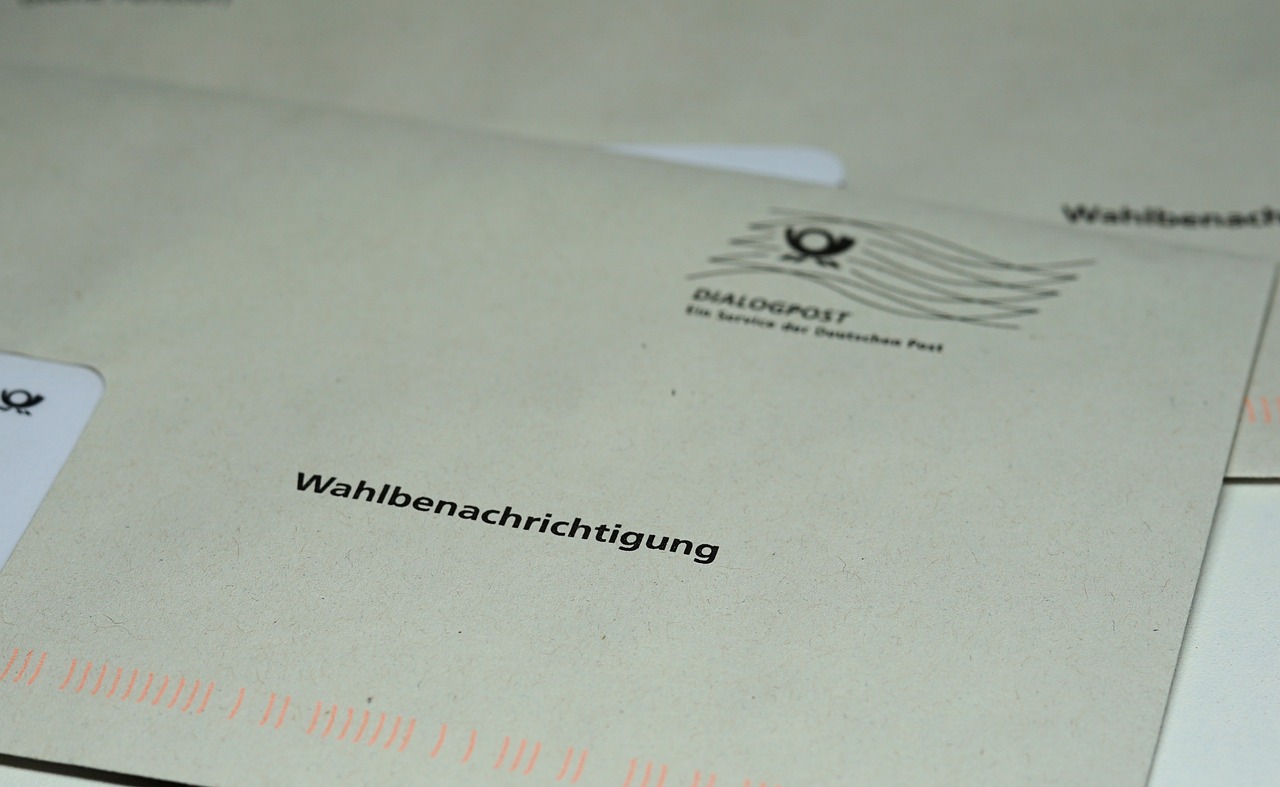
In less than a month, on February 23rd, Germans will head to the ballot box for the federal election. This year, a record-breaking number of first-time voters is expected to take part. According to FOCUS magazine, citing data from all 16 federal states, more than 500,000 new voters will cast their ballots—making this the highest number of first-time voters in the history of the Federal Republic.
What’s behind this surge? One major factor is Germany’s naturalization process. In 2023, the country marked the eighth year since the large influx of refugees in 2015. Until mid-2024, one of the key requirements for German citizenship has been eight years of residence. As a result, between 2021 and 2023, over 500,000 foreign nationals were granted German citizenship, allowing them to vote in the upcoming Bundestag election.
This demographic shift could have a significant impact on election outcomes, as many of these new voters bring diverse political perspectives shaped by their backgrounds and experiences.