Federica moved from Venezuela to Spain at 18, then made her way to Berlin, where she’s now the co-founder of Uphavin — a curated online marketplace for sustainable, independent brands. We talked to her about her journey into entrepreneurship, how Berlin turned her into a conscious consumer, and why her path to sustainability started in the bathroom.
Marlene
Today we’re with the wonderful Federica. Some of you might already recognize her voice from our Women’s Day special — if you missed it, you can find it on our website. But today we get to go deeper. Federica, welcome!
Federica
Hi! Thank you so much for having me. I’m excited to be talking with you today.
Marlene
We’re so happy you’re here. Let’s start with the basics: who are you, where are you from, and how long have you been in Berlin?
Federica
I’m 30, and honestly, I still find it hard to define exactly who I am. I’m an immigrant, an entrepreneur, a woman… maybe all of that. My story started in Venezuela, where I was born and raised. When I turned 18, I moved to Madrid — mostly because of the situation back home. I was looking for new opportunities, both personally and professionally.
After two years in Madrid, I moved to Berlin — and now it’s been seven years! Since then I’ve worked in different roles at startups, and eventually I decided to launch my own business. That’s what brought me here.
Launching Uphavin: a marketplace for small, sustainable brands
Marlene
And that business is Uphavin. Can you tell us more?
Federica
Sure. Uphavin is a curated marketplace for independent, sustainable brands. We work with businesses that are actively trying to do things better — especially in industries where inequality and greenwashing are common.
The idea actually came from my own experience. Berlin made me more conscious of sustainability — which I think happens to a lot of people here. As I tried to change my own habits, I realized how hard it was to actually buy from the brands I wanted to support. The big names dominate everything, and they often pretend to be sustainable while still operating like giant corporations.
I wanted to find and support the small, woman-led, independent businesses that are really doing things differently. So I started gathering them — and then thought: why not build a platform that gives them more visibility?
Marlene
You mentioned Berlin influenced your sustainability journey. I’ve noticed regional differences even within Germany. In Wittenberg we had four trash cans — now I’m in Bavaria, and it’s just two. So how did that shift look for you, coming from Venezuela?
Federica
It’s true — sustainability looks different depending on where you are. In less developed countries, people often live more sustainably out of necessity. Fewer resources mean you consume less, reuse more. That’s a kind of sustainability too.
But then you come to Berlin, and it’s more structured. You see signs everywhere. Trash separation becomes part of daily life. That infrastructure is a constant reminder — it builds a kind of collective awareness. So I’d say both contexts shape how you think and act. In Venezuela, we made things stretch. In Berlin, sustainability is a system.
From New Year’s resolution to business idea

Marlene
Was this something you always knew you wanted to do — combining sustainability with entrepreneurship — or was there one specific moment?
Federica
A bit of both. Back in Venezuela, I actually wanted to study political science or sociology — I was always drawn to social topics. But when I moved to Europe, I chose marketing and business instead, because I wanted more financial stability. Over time, though, that early passion came back. And eventually it merged with my love for business — that’s how Uphavin was born.
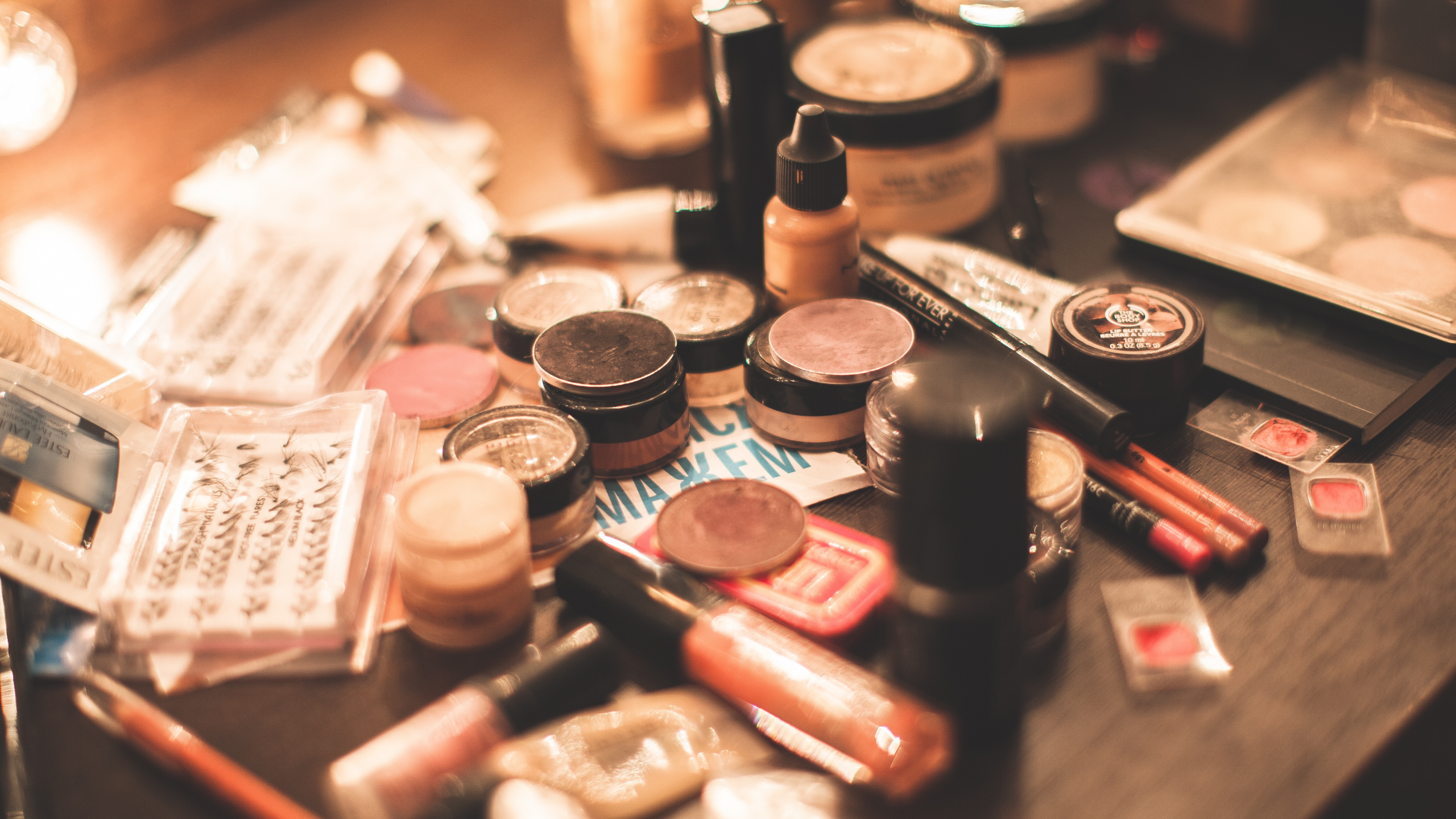
But there was one specific moment that sparked it: it was a New Year’s resolution. I decided I wanted my whole bathroom to be vegan. I wasn’t even fully vegan myself yet, but I thought, this is a manageable place to start.
As I switched out products, I realized — a vegan shampoo in a plastic bottle still isn’t great. That led me to zero-waste products, and then my partner (who’s also my co-founder) got on board. We changed the whole house. But it was hard. Where do you buy this stuff? How do you know it’s legit? Is it really worth the price?
Those questions led me to the idea of Uphavin: a place that makes sustainable shopping easier for others, so they don’t have to go through the same struggle.
Federica’s tip: Buy less, buy better
Marlene
That’s such a great story. And now you’re running a startup! For people who are just starting their sustainability journey, do you have any simple tips?
Federica
Yes — and it might sound strange coming from someone who sells products, but my first advice is: stop buying. Just pause. Use what you already have. And when you do need to buy something, ask yourself: can this be an investment in my values? Is my money going to someone I believe in?
I do this little mental exercise: I imagine Jeff Bezos standing in front of me, and next to him is Mr. Good Guy. Who would I rather give my money to? So, think about the purchase — and also think about whether you need it at all. We don’t need that much. Humans are animals, after all. Everything else is just accessories.
Marlene
Let’s zoom in on Berlin for a bit. What were some of the biggest cultural shocks when you first arrived — besides the winter, of course?
Federica
The cold was definitely a physical shock! But culturally, the biggest thing was how direct communication is here. In Venezuela, when you ask for water, you say something like, “Excuse me, would it be possible to have a small glass of water, if it’s not too much trouble?”
Here, it’s just: “Wasser, bitte.”
At first, I thought people were mad at me, or I was bothering them. Especially in business settings, I noticed that being too polite could even be seen as weak. But over time, I learned to appreciate the clarity. There’s a time for diplomacy and a time for directness — now I know how to do both.
Marlene
As a German, I never really noticed that until these interviews. But you’re right — efficiency is kind of our thing.
Federica
And if you ever come to Latin America, just prepare for long sentences.
Stereotypes, style, and the Berlin work-life balance
Marlene
Let’s talk stereotypes. Did you have any about Berlin? And are there things you now think are typically Berlin?
Federica
I’m such a workaholic, so of course, my thoughts go to work culture. I assumed that a country known for efficiency would be all about strict hours and long days. But I was surprised to see how much Germans value work-life balance.
In Latin America, there’s this culture of staying late, doing unpaid overtime — it’s just expected. But here, time off is respected. People really make space for rest, family, and life outside of work.
Also, the dress code! In Berlin, you can walk into an office in shorts and no one bats an eye. That would never happen back home. Here, you’re allowed to show up exactly as you are.
Marlene
Corona probably helped shift that too — especially with home office culture. It made things more flexible.
Federica
That’s true. But even before the pandemic, I noticed how different it was. It really helped me change my own approach to work — to see it as just one part of my life.
Marlene
So final question: what’s your experience been like as an entrepreneur in Germany?
Federica
Honestly? It’s been really good. Yes, there are challenges — I look different, I communicate differently. Sometimes people might judge me or underestimate me.
But when you find the right networks, your skills are appreciated. And Berlin is a great place to find those spaces. So overall, I’d say: it’s been fun.
Marlene
That’s great to hear. I think a lot of people expect the bureaucracy to be overwhelming. It’s not easy, of course — but there are also advantages.
Federica
Totally. And here comes my unpopular opinion: German bureaucracy isn’t that bad. Especially compared to where I’m from! Sure, it’s a lot of paperwork. And the language barrier can be tough. But the steps are clear. There are so many resources, blogs, forums… if you follow the instructions, you get through it.
You just have to do it. And honestly? That’s doable.
Marlene
That’s a great note to end on: bureaucracy is manageable — and Berlin is a place where good ideas can grow. Where can people find you and support Uphavin?
Federica
Thank you for asking! You can find us online — just search for Uphavin. We’re also on Instagram under the same name. We’ll be launching a campaign soon, so if you want to support us or learn more, stay tuned.
Marlene
Amazing. Federica, thank you so much for joining us today.
Federica
Thank you so much for having me and for the space to share my story.