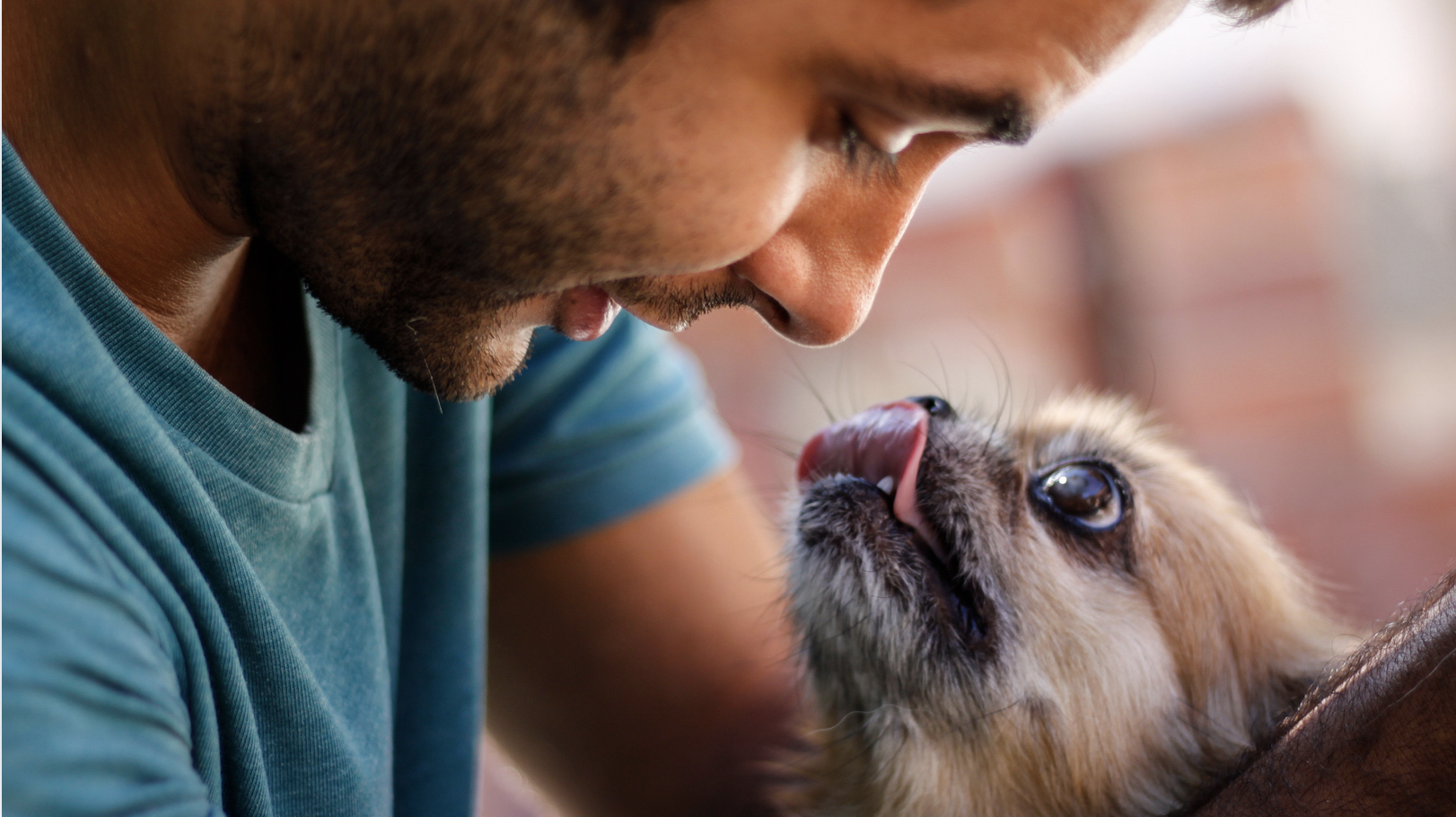
Life in Germany has a way of changing you in unexpected ways. For me, that change came with four legs and a stubborn personality: Balu, my almost twelve-year-old dachshund. Because of him, I explored Berlin differently, met new people, and learned far more about pet ownership in Germany than I ever expected.
One of those people is Katja Herbst, a Berlin-based Tierheilpraktikerin (holistic animal health practitioner). In the latest episode of Plus Forty-Nine, we talked about what it really means to get a pet in Germany — and how holistic approaches like acupuncture can support animal health alongside conventional veterinary care.
If you don’t have time for the full interview, here are the key takeaways.
What is a Tierheilpraktikerin?
A Tierheilpraktikerin is not a veterinarian in the classical sense, but a complementary practitioner. Katja works mainly with dogs, cats, and horses, using Traditional Chinese Veterinary Medicine, including acupuncture and herbal therapy.
Her goal is always the same: to bring the animal back into balance. Rather than replacing a vet, her work supports the body’s own ability to heal and is often used alongside conventional treatment — especially for chronic issues, pain, or prevention.
Thinking About Getting a Pet in Germany? Start Here
For many expats, Germany is the first place where getting a dog or cat feels realistic. But Katja is very clear: this is a long-term commitment, often 10 to 18 years.
Before choosing a pet, ask yourself:
- Does this breed fit my lifestyle and energy level?
- What was the breed originally bred to do?
- Do I want a working dog — or a companion?
- High-energy breeds like Border Collies, Malinois, Huskies, or many terriers were bred for serious work. Without enough mental and physical stimulation, problems are almost guaranteed.
Katja also strongly advises against buying puppies from online mass breeders or puppy mills. The first weeks of a dog’s life are crucial, and poor early conditions often lead to lifelong health and behavioural issues.
Another important point: be cautious with extreme breeds. Very short noses, bulging eyes, or heavily folded skin may look cute, but often cause chronic suffering. Trends and looks should never come before health.
Adoption Culture in Germany
One thing that surprises many newcomers is how seriously pet adoption is taken in Germany. Shelters and rescue organisations invest a lot of time in matching animals with the right humans. Paperwork, home checks, and long conversations are normal — and intentional.
As Katja puts it, dogs are not impulse purchases here. There’s even a saying: „Das letzte Kind hat Fell“ — the last child has fur. Pets are considered full family members, and adoption is treated accordingly.
How Acupuncture Helps Animals
Many people know acupuncture from human medicine, but it works remarkably well for animals too. Using fine needles placed on specific points, Katja helps regulate energy flow (Qi), reduce pain, and restore balance in the body.
She looks at the whole animal — behaviour, medical history, posture, pulse, tongue, and diagnostic points along the spine. This holistic view allows her to treat causes, not just symptoms.
Animals often respond quickly. Even very energetic dogs frequently relax deeply during treatment, sometimes falling asleep within minutes. For chronic conditions, Katja usually recommends several sessions to stabilise the effect.
Importantly, acupuncture is not only for treatment, but also for prevention. Imbalances can often be detected before a disease fully develops — making early intervention far more effective.
Home Visits and Individual Care
Katja runs a mobile practice, visiting animals in their home environment. This keeps them calmer and gives her valuable insights into their daily life. A session always starts with a detailed conversation with the owner, followed by diagnosis and treatment tailored to the individual animal.
Her approach is simple but powerful: don’t suppress symptoms — give the body what it needs to heal itself.
Want to Know More?
This article only scratches the surface. In the full Plus Forty-Nine episode, Katja and I talk in much more detail about:
- Choosing the right breed
- Living with pets as an expat
- Chronic pain, ageing animals, and quality of life
- Why prevention matters more than we think
Listen to the full interview on Plus Forty-Nine to hear the complete conversation.
Contact Katja Herbst:
info@thp-herbst.de
www.thp-herbst.de
+49 172 322 6522
Bringing a pet into your life in Germany is a big responsibility — but also one of the most rewarding decisions you can make. With the right preparation and support, it can change your life for the better.