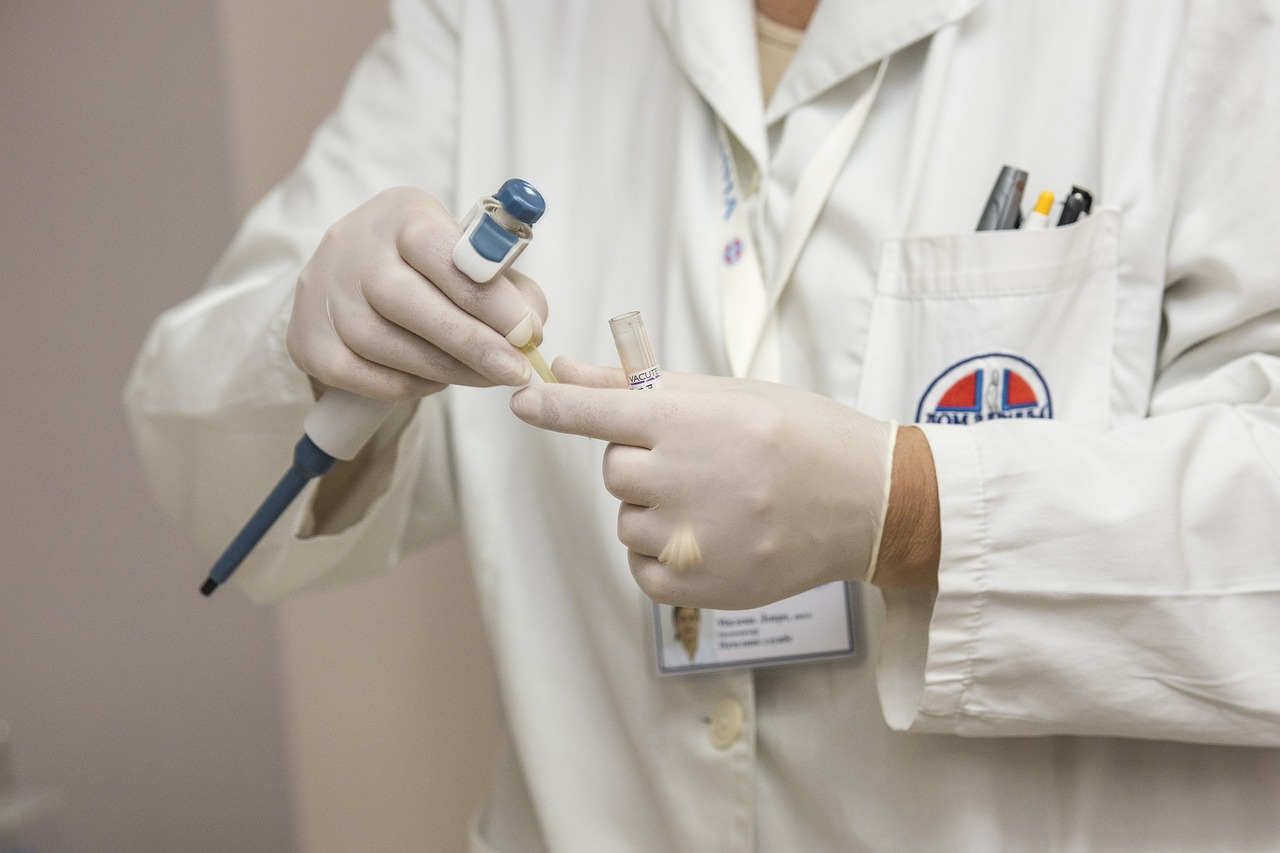
Brandenburg’s healthcare system is increasingly reliant on foreign doctors. According to the state’s Health Ministry, 18.9 percent of the 10,120 registered doctors do not hold German citizenship. The largest groups come from Syria, Russia, and Turkey, reflecting a steady rise in international medical professionals over the past decade. Despite this trend, Germany continues to struggle with a severe healthcare worker shortage. Nationwide, nearly 47,400 positions remain unfilled due to a lack of qualified applicants. Yet, for many foreign doctors, bureaucratic hurdles make entering the workforce a slow and frustrating process. The recognition of foreign medical qualifications can take up to two years for non-EU doctors, delayed by extensive paperwork, medical assessments, and language exams. Meanwhile, their EU, EEC, and Swiss counterparts typically receive approval within four months. Many doctors report feeling stuck in limbo, with some experiencing mental health challenges due to the uncertainty of their professional future.
As Germany’s demand for medical professionals continues to grow, pressure is mounting on policymakers to streamline the qualification process and ensure quicker integration of foreign doctors into the workforce.