Germany has plenty to smile about this year, as three of its cities have made it into the top 20 of the 2025 Happy City Index. Munich, Berlin, and Dresden were all awarded a symbolic “gold medal” by the UK-based Institute of Quality of Life, which ranked 200 cities worldwide based on 82 indicators including health, environment, governance, and quality of life.
Munich Leads the Pack in Germany
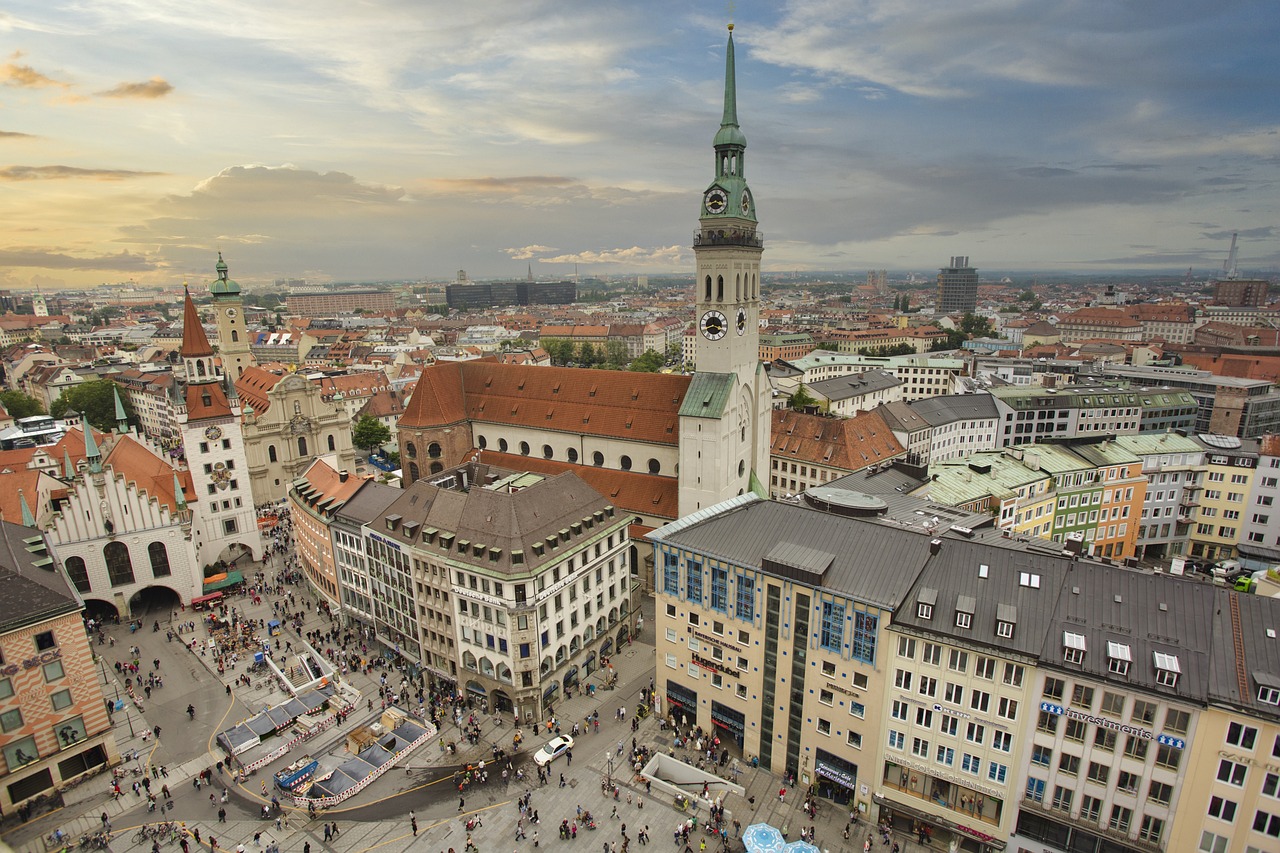
The highest-ranked German city managed to squeeze into the top 10. Munich was named the ninth-happiest city in the world, celebrated for its innovative spirit and financial strength. With average salaries exceeding the national average by 41%, Munich scored particularly well for healthcare access and digital services.
According to the report, the city offers an “impressive ratio” of 4.5 doctors per 1,000 residents and places strong emphasis on mental health support. Local authorities were praised for offering a wide range of user-friendly digital services, including online payments, fault reporting, and appointment scheduling, which ensure a “seamless interaction” between citizens and city administration.
Berlin Slips — But Still Among the Best
Believe it or not, Berlin has once again secured a spot among the happiest cities in the world, but not without slipping a few places. In the newly released Happy City Index 2025 by the UK-based Institute of Quality of Life, Berlin ranks 16th out of 200 global cities. That’s a noticeable drop from last year, when the German capital came in third. Berlin’s public transport system, increasingly affected by breakdowns and delays, was nonetheless called “well-developed” for enabling “seamless travel.” Its digital infrastructure was described as “seamlessly integrated” — a nod to the city’s growing push for modernization, even if the day-to-day reality still frustrates many Berliners.
Dresden Rounds Out the German Trio
Dresden, in 18th place, is the third German city to appear in the top 20. Known for its baroque charm and academic edge, the Saxon capital was praised for being “one of Germany’s most picturesque and dynamic urban centres.” The city’s strong focus on research and technological innovation earned high marks, though it was also noted that average earnings lag 7% behind the national average, making it a potential challenge for long-term satisfaction.
What Makes a City “Happy”?
The Happy City Index assesses cities based on 82 indicators grouped into six key categories: citizen well-being, governance, environment, economy, health, and mobility. New this year are factors like mental health, nutrition, public safety, and work-life balance.
The study combines hard data — GDP, public transport quality, crime statistics — with resident interviews to gauge how people actually experience their cities. The emphasis, according to the institute, is on “people at the center of urban life,” from young professionals to retirees and parents.
Although the Happy City Index resists calling itself a traditional “ranking,” the symbolic medals — gold, silver, bronze — offer insight into how cities measure up in terms of happiness and livability. And despite its slight fall, Berlin remains one of the best places in the world to live, as long as you’re willing to navigate the quirks that come with it.