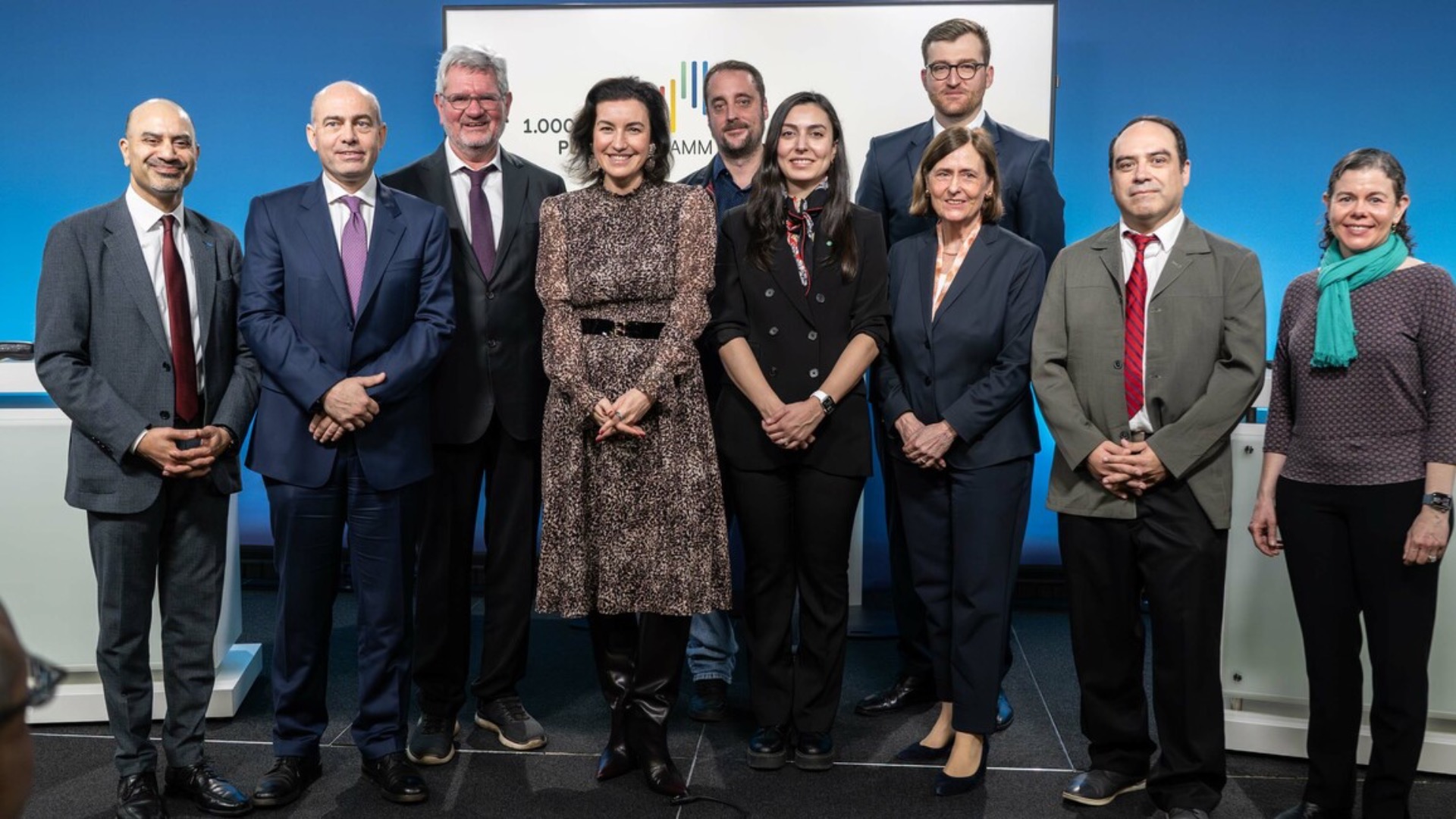
In a rare and pointed public statement, former German Chancellor Angela Merkel (CDU) has openly criticized the current CDU-led government’s approach to asylum policy, distancing herself from Chancellor Friedrich Merz’s hardline stance on border pushbacks.
Speaking in a WDR conversation with five refugees from Syria, Afghanistan, and Iran, Merkel emphasized that anyone seeking asylum at Germany’s border is entitled to a proper legal process:
“If someone says ‘asylum’ at the German border, they must be given a procedure — even if it takes place right at the border,” Merkel stated.
Her remarks come amid continued controversy over the Merz administration’s policy of turning away asylum seekers at the border, a practice that a Berlin court recently ruled unlawful in the case of three Somali applicants. Despite legal pushback, both Chancellor Merz and Interior Minister Alexander Dobrindt have defended the policy, citing the need to reduce irregular migration.
While Merkel acknowledged the importance of limiting illegal immigration, she stressed the need for a “European approach” and cautioned against the one-sided framing of migration debates:
“We often speak about people who came here, but not often enough with them,” she noted, explaining her participation in the WDRforyou conversation held in a Syrian restaurant in Berlin.
Merkel’s intervention is not without precedent. In January, she publicly rebuked Merz for aligning with the far-right AfD on a migration proposal — a move she warned could threaten democratic norms. She reaffirmed her support for cross-party cooperation among democratic forces as the only legitimate path forward. zdfheute.de