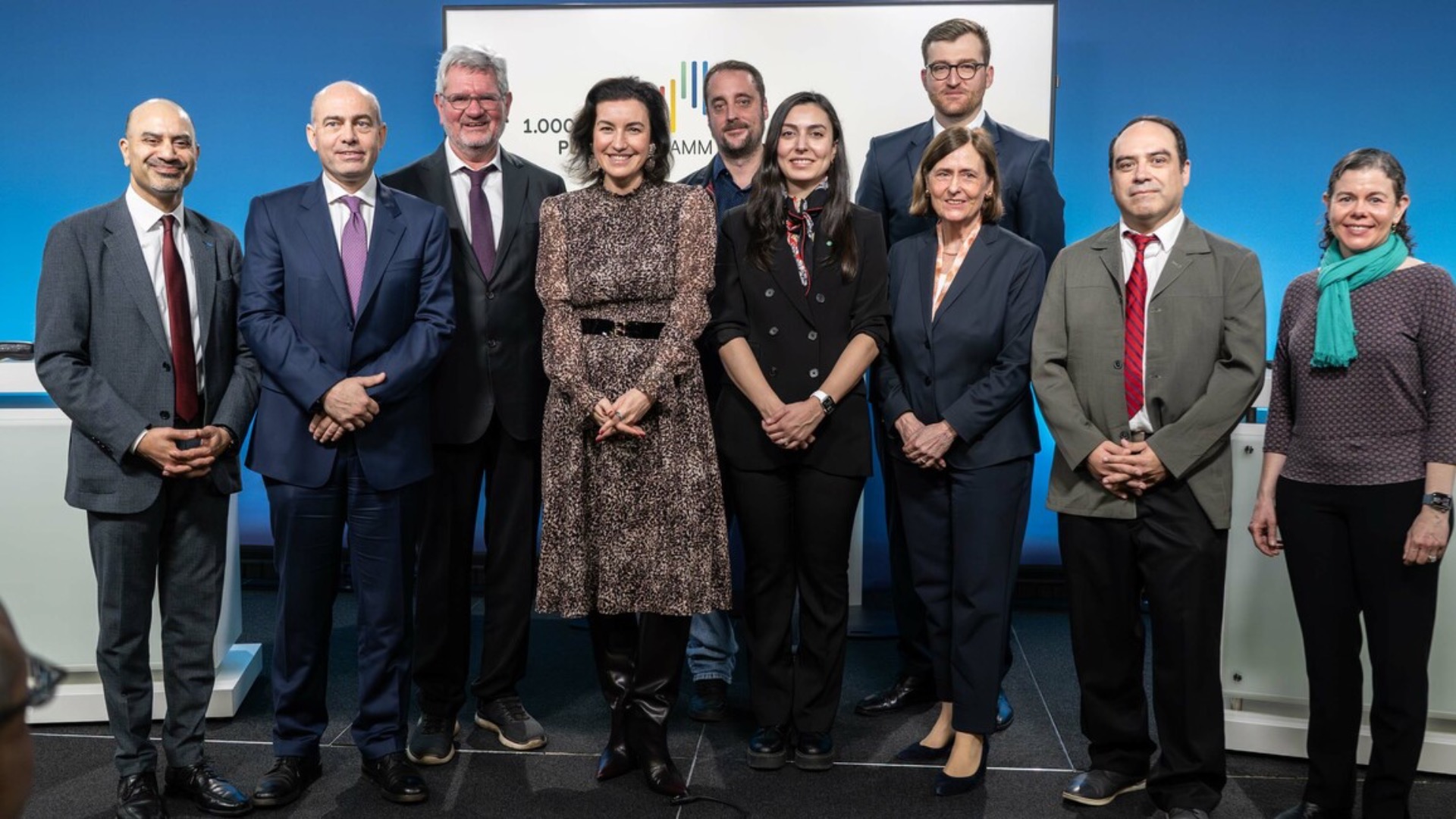
Germany is at a turning point, according to a newly published report by the Initiative for a Capable State—a high-level expert group backed by former ministers, legal scholars and civil society leaders. The initiative, which presented its final recommendations to President Frank-Walter Steinmeier this week, argues that the country’s ability to act decisively is being compromised by outdated structures, bureaucratic gridlock, and siloed thinking between ministries. Among its key demands: faster migration processes, stronger digital governance, and more citizen participation.
“Germany is not structurally ready for the future,” warned former Constitutional Court President Andreas Voßkuhle, one of the initiative’s leaders. The report identifies seven core areas in need of urgent reform, including public administration, social services, migration policy, and national security. Without intervention, the authors fear a loss of public trust in democracy itself. “A state that can’t deliver risks losing its people’s faith,” said President Steinmeier during the report’s presentation in Berlin.
Migration and Integration in Focus
For migrants and expats in Germany, the report’s proposals could have significant impact. Among its 35 detailed recommendations are calls to simplify immigration procedures and accelerate access to the labor market. The authors stress that integration must be made easier—not just through language programs, but through more accessible institutions and better interagency coordination.
There’s also a push for greater federal oversight in deportation cases, streamlining responsibilities currently divided between federal and state authorities. This could potentially reduce friction and delays for both new arrivals and local governments.
The report also recommends testing reforms in selected model municipalities—with Cologne and Stralsund named as candidates—where innovative digital solutions and new administrative structures can be piloted, including more centralized platforms for public benefits.
From Bureaucracy to Practicality
Efficiency is the guiding theme. The initiative calls for a loosening of restrictive data protection laws that often paralyze digital modernization efforts. It also advocates for “experimentation clauses,” giving public bodies room to test new rules in practice before full-scale implementation.
Another headline-grabbing suggestion is a voluntary civil service year (“Pflichtjahr”), meant to build civic engagement and social cohesion—an idea particularly relevant for young migrants and those looking to better connect with local communities.
What’s Next?
Whether these proposals become policy remains to be seen. The federal government has pledged to present a modernization agenda by December. The initiative’s authors, including former ministers Peer Steinbrück and Thomas de Maizière, stress that political will—and cross-party cooperation—are now key. “This is about protecting our democracy,” said media executive and co-author Julia Jäkel. “And a democracy is only as strong as its institutions.”